


MAY 5, 2026|BOOKS & REVIEWS
The Non-Obvious Book of the Week: Foreign Fruit by Katie Goh
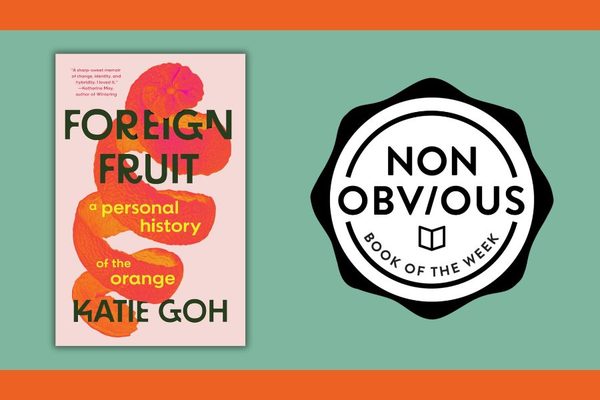
There is a shelf in my office stacked entirely with books about the history of the banana (and one about tulips). These sorts of books are surprisingly fertile topics and continually remind me that one of the most fulfilling things about a book is how it can offer a deep window into something that we have become accustomed to ignoring on a daily basis. So, when I first started reading Foreign Fruit, I was immediately intrigued. It is more than just an economic history of the world's most consumed fruit. The author uses the simple orange as a metaphor for her own journey:
"Oranges are gleefully antisocial. Juice sprays across the table and runs down wrists to spoil shirtsleeves. Pith gathers under fingernails. Segments explode in the mouth. ... Even today, the potential for social embarrassment from eating orange remains. ... I have felt a kinship with the orange's story ever since I discovered that its origins parallel my own: ancestral roots in China that venture towards the equator, and then traverse the long roads from east to west to reach Europe. I decided I would retread the history of the orange, to discover what role it has played in different lands across time."
This book is a mix of personal memoir, citrus poetry and forgotten history. All together, the result is a deeply relatable exploration of identity from an author who explores growing up queer in a Chinese-Malaysian-Irish household in the north of Ireland. Named the Best Food Memoir of the Year by Table magazine, Foreign Fruit is also my pick for the Non-Obvious Book of the Week.

About the Non-Obvious Book Selection of the Week:
Every week I share a new “non-obvious” book selection. Titles featured here may be new or classic books, but the date of publication doesn’t really matter. My goal is to elevate great reads that perhaps deserve a second look which you might have otherwise missed.
Book Rohit To Speak
Want to bring these ideas to your next event?
Rohit turns the thinking behind posts like this one into keynotes for audiences around the world, from Fortune 500 leadership teams to global industry conferences.
Learn More About Speaking
How It All Started
A Short Backstory Of This Blog
This is a blog about non-obvious ideas. Originally launched on the Typepad platform in 2005 as the Influential Marketing blog, the stories at first focused mainly on digital marketing while Rohit worked at Ogilvy Advertising. In 2015 Rohit officially rebranded to the Non-Obvious Insights Blog and published his WSJ bestseller Non-Obvious. For the past twenty one years, this blog has coined new terms, introduced future marketing practices and inspired the next generation of non-obvious thinkers and marketers.

