


APRIL 23, 2026|BRANDS & MARKETING
Heinz Shows the Underappreciated Power of Manufacturing Significance
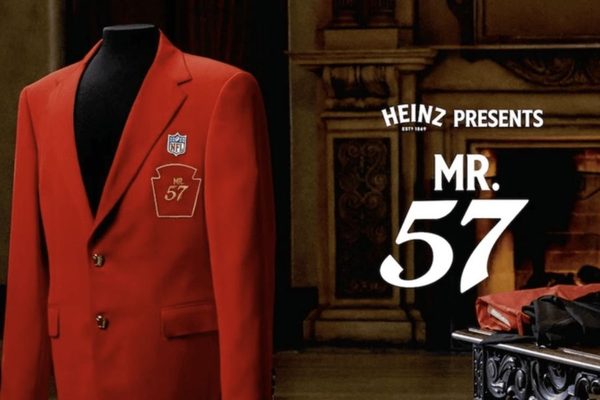
Brand positioning is usually all about what makes your product or service different. Usually that's based on something real, but it doesn't always have to be. This week, in honor of the fact that the NFL Draft is coming to their home city of Pittsburg - Heinz announced that whoever gets selected 57th in the NFL Draft will be crowned "Mr. 57" and given a lifetime supply of Heinz 57 sauce and a brand sponsorship deal. Here's a fun fact about their iconic sauce - the 57 was completely made up.

In 1896, H.J. Heinz was riding a train in New York City when he spotted a shoe store ad boasting "21 styles." He liked the idea enough to invent his own number. He chose 5 because it was his lucky number and 7 because it was his wife's favorite. In other words, the brand assigned significance where none previously existed. It turns out, this idea of significance alchemy isn't entirely new. Brands have been practicing the art of taking something inherently meaningless and declaring it meaningful for years.
Back in the 1960s, Avis turned the embarrassing fact of being the second-largest rental car company into a brand identity with their iconic "We Try Harder" campaign which remained in use for more than 50 years. Snapple looked at the empty space under a bottle cap and turned it into a canvas for brand personality. Guinness decided settling pub arguments deserved an authoritative institution, accidentally creating one of the bestselling series of all time with their book of World Records. Volkswagen took the Beetle's most criticized features — being small and un-American — and made smallness an aspiration.
Each of these legendary campaigns invented significance. That's the non-obvious lesson here. The best marketing move is sometimes about choosing something to matter and then believing it so much that it becomes real.
Rohit speaks on this topic. See his marketing keynote.
Book Rohit To Speak
Want to bring these ideas to your next event?
Rohit turns the thinking behind posts like this one into keynotes for audiences around the world, from Fortune 500 leadership teams to global industry conferences.
Learn More About Speaking
How It All Started
A Short Backstory Of This Blog
This is a blog about non-obvious ideas. Originally launched on the Typepad platform in 2005 as the Influential Marketing blog, the stories at first focused mainly on digital marketing while Rohit worked at Ogilvy Advertising. In 2015 Rohit officially rebranded to the Non-Obvious Insights Blog and published his WSJ bestseller Non-Obvious. For the past twenty one years, this blog has coined new terms, introduced future marketing practices and inspired the next generation of non-obvious thinkers and marketers.

