


JUNE 10, 2026|TRENDS & CULTURE
The World Is Losing Its Color
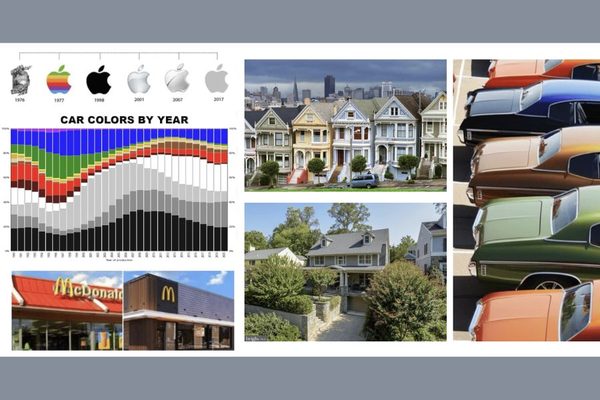
This is the definition of a macrotrend - our modern world has steadily been losing color over the past several decades. As culture writer Spencer Hardwick notes:
"This trend has been noticed across a large swath of industries such as automobiles, interior design, fashion, makeup, storefronts, and films ... recently, in interior design, a turn to Minimalism and Modernism has occurred. This switch may be kickstarting the switch tom neutral colors. Gray represents pure material of steel and concrete, a key facet of modernism."
This adoption of a more neutral color palette has perhaps been accelerated by the "sleek gray" vibe of expensive devices combined with an everyday focus on the mundanity of resale value (especially for cars and houses) rather than prioritizing the expression of personality. It turns out this isn't just an anecdotal observation.
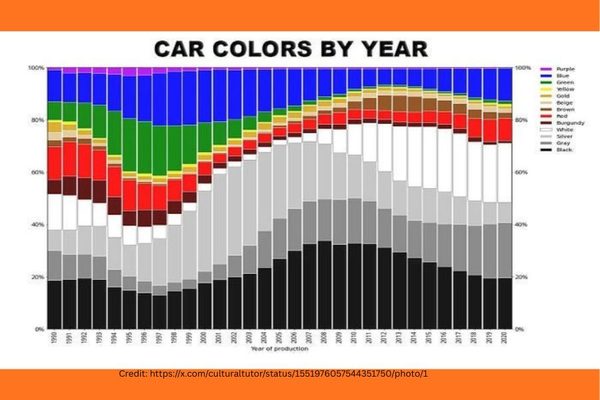
In 2020, researchers at the UK’s Science Museum Group "analyzed the colors in over 7,000 photographs of everyday objects in their collection dating from 1800 to the present day" and uncovered that from about 1900 onwards the color palette of these objects grew progressively more gray and less diverse.
For some historians, this phenomenon is an example of cultural imperialism where "the perceived loss of color and character in modern design could be seen as a manifestation of the cultural transformations brought by the spread of Western cultural influence."
More than anything else, most cultural critics observing this shift lament the symbolism it carries. A world where people are afraid to live in full color through the colors they wear, the cars they drive or the homes they inhabit is one where our individualism is slowly eroding in favor of a blander existence.
Rohit speaks on this topic. See his futurist keynote.
Related Posts
Book Rohit To Speak
Want to bring these ideas to your next event?
Rohit turns the thinking behind posts like this one into keynotes for audiences around the world, from Fortune 500 leadership teams to global industry conferences.
Learn More About Speaking
How It All Started
A Short Backstory Of This Blog
This is a blog about non-obvious ideas. Originally launched on the Typepad platform in 2005 as the Influential Marketing blog, the stories at first focused mainly on digital marketing while Rohit worked at Ogilvy Advertising. In 2015 Rohit officially rebranded to the Non-Obvious Insights Blog and published his WSJ bestseller Non-Obvious. For the past twenty one years, this blog has coined new terms, introduced future marketing practices and inspired the next generation of non-obvious thinkers and marketers.

