


AUGUST 3, 2026|ARTIFICIAL INTELLIGENCE
What AI Generated Bird Photos Can Teach Us About Database Pollution

One of the engaging art concepts from AI artist Kelly Boesch features a collection of birds that don't exist. The video is hard to stop watching, with mesmerizing creations of otherworldly birds that seem like the backdrop to a science fiction story that hasn't been written yet. Her birds aren't real, but the idea of generating real-looking birds is one that has been getting more and more popular ... and creating problems along with it. These AI-generated bird images are wreaking havoc with the databases used by birdwatchers and scientists to catalog and study species.
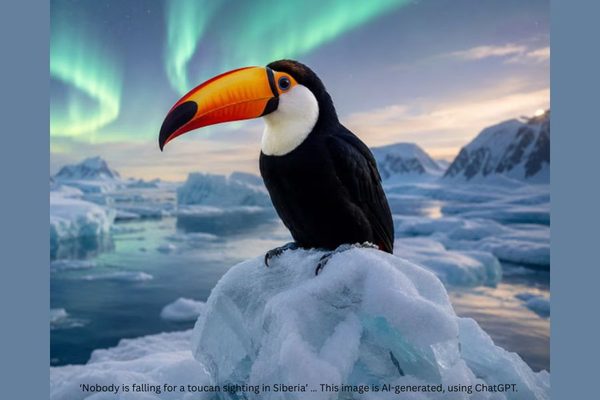
In response, "researchers warned that hundreds of fake images have already been discovered on popular databases for recording species. They said that the true scale of the issue is unknown – as many could go undetected – and could contaminate records collected by the public." Not to resort to the cliche metaphor of the canary in the coal mine offering an early warning for humans, but there is a similar signal here when it comes to the potential for AI-generated content to "pollute" the databases that existed before these tools became so accessible. The solution to this problem is a tough one. Should we have more quarantined databases locked down to prevent this content from entering? Or create more sophisticated detection tools to spot manipulations upfront? Perhaps both will be required to solve this problem in the future.
Rohit speaks on this topic. See his AI keynote.
Related Posts
Book Rohit To Speak
Want to bring these ideas to your next event?
Rohit turns the thinking behind posts like this one into keynotes for audiences around the world, from Fortune 500 leadership teams to global industry conferences.
Learn More About Speaking
How It All Started
A Short Backstory Of This Blog
This is a blog about non-obvious ideas. Originally launched on the Typepad platform in 2005 as the Influential Marketing blog, the stories at first focused mainly on digital marketing while Rohit worked at Ogilvy Advertising. In 2015 Rohit officially rebranded to the Non-Obvious Insights Blog and published his WSJ bestseller Non-Obvious. For the past twenty one years, this blog has coined new terms, introduced future marketing practices and inspired the next generation of non-obvious thinkers and marketers.

