


APRIL 15, 2026|GOVERNMENT & POLITICS
The Tragedy of American Taxes Isn't Actually the Taxes

People hate taxes and filing their taxes, yet the tax refund check is the biggest single payment most Americans get all year. It is tax season in the US and so there are plenty of stories about tax policy this week, as well as peripherally related stories like the one about Sam Altman proposing a robot tax (among other things) to help society deal with AI. The story that stood out for me this week, though, offers a perfect glimpse into how effective government is often held back from helping people by entrenched interests. In 2024, the IRS launched an intentionally small "Direct File" pilot program that allowed US taxpayers to submit their taxes directly without the need for expensive consultants or third-party software. It was a big success. In 2025, the program was discontinued, leaving the "Free File" program which has its own sneaky problems:
The Free File program, which dates back to 2002, allows the industry to claim that it’s possible to file taxes free while working to ensure that most people keep on paying. The bottom 70 percent of taxpayers ranked by income are eligible to use the Free File program. That’s about 100 million households. Only about three million use it each year. Instead, every year, millions of people eligible for Free File pay to use virtually the same software from the same companies.
Intuit’s behavior has been particularly egregious. ProPublica reported in 2019 that the company had concealed the landing page for the Free File version of its product so that it was invisible to Google and other search engines. It also created a stalking horse called TurboTax: Free Edition, which pushed users to pay for add-ons. After it got caught, the company abandoned the Free File program.
Despite its success, the potential growth of a free government system allowing people to pay their taxes quickly online threatened the livelihood of the $17B tax filing software industry. So the lobbyists went to work and the extremely promising IRS system that would have saved Americans an estimated 13 hours and $290 in fees met its untimely end.
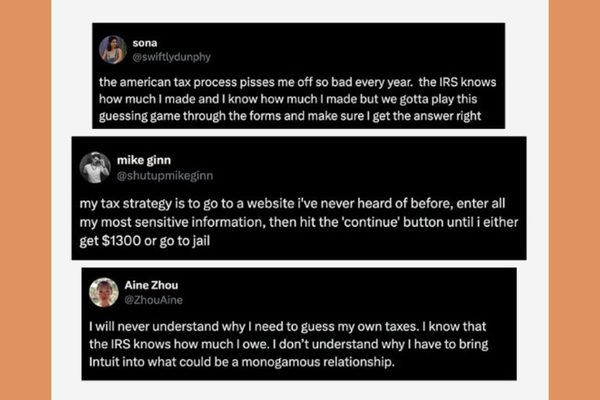
So what's the solution here? There's a silver lining that may point to the answer. Apparently, in 2025 before abandoning the Free File program, "the federal government published most of the program’s source code on GitHub." Now all we need is an entrepreneur with a similar sort of vision to what drove Mark Cuban to build CostPlus Drugs as a way to cut the middlemen out of pharmacy sales. If you know one, please forward this email on to them.
Related Posts
Book Rohit To Speak
Want to bring these ideas to your next event?
Rohit turns the thinking behind posts like this one into keynotes for audiences around the world, from Fortune 500 leadership teams to global industry conferences.
Learn More About Speaking
How It All Started
A Short Backstory Of This Blog
This is a blog about non-obvious ideas. Originally launched on the Typepad platform in 2005 as the Influential Marketing blog, the stories at first focused mainly on digital marketing while Rohit worked at Ogilvy Advertising. In 2015 Rohit officially rebranded to the Non-Obvious Insights Blog and published his WSJ bestseller Non-Obvious. For the past twenty one years, this blog has coined new terms, introduced future marketing practices and inspired the next generation of non-obvious thinkers and marketers.

