


FEBRUARY 16, 2026|MEDIA & JOURNALISM
Saving Science in the Age of the Modern Believability Crisis

Among scientists and believers of science alike, there's a frustration with all the voices out there who question science. From conspiracy theorists to pseudoscientists, anyone with an idea to share (and occasionally attribution to offer) can find an audience of believers. Many of them have profited from it. Often, this is presented as a problem of manipulation. "Those people" are telling lies to advance their own agendas despite contradictory evidence. In Undark magazine, Yale professor C. Brandon Ogbunu offers a different perspective. Rather than casting blame, he suggests the problem may really come from how scientists communicate and the scientific method itself.
"While different issues have contributed to Trump’s low approval ratings, there is little evidence that attacks on science are among them. We can illustrate this with a fictional scenario: Take away college football tomorrow and watch college towns descend into chaos. But when they came for our pipettes and microscopes, almost nothing happened ... Science has gaping holes that have already been exploited by the ill-intentioned. We’ve run out of options, and there is nowhere to hide. It’s time to stop grieving over an imaginary golden age that never existed."
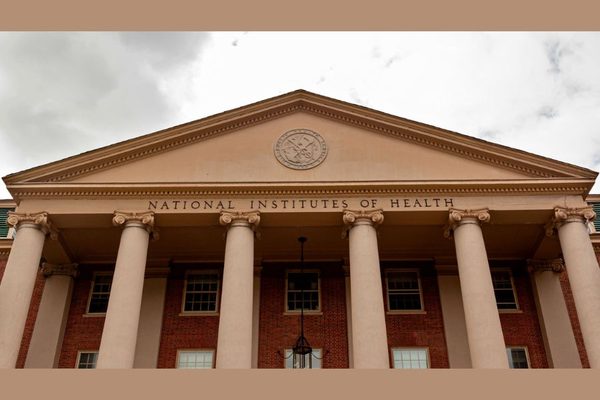
The more scientists argue among each other for attribution or funding or reproducibility, the more of a void builds that can be filled with whomever shouts their own theory the loudest. After all, the easiest theory to prove is one where you can make up the proof yourself or selectively pick the most convenient data to showcase. So what's the solution? It seems to start with scientists banding together to find more unity against the forces that aim to discredit them.
Book Rohit To Speak
Want to bring these ideas to your next event?
Rohit turns the thinking behind posts like this one into keynotes for audiences around the world, from Fortune 500 leadership teams to global industry conferences.
Learn More About Speaking
How It All Started
A Short Backstory Of This Blog
This is a blog about non-obvious ideas. Originally launched on the Typepad platform in 2005 as the Influential Marketing blog, the stories at first focused mainly on digital marketing while Rohit worked at Ogilvy Advertising. In 2015 Rohit officially rebranded to the Non-Obvious Insights Blog and published his WSJ bestseller Non-Obvious. For the past twenty one years, this blog has coined new terms, introduced future marketing practices and inspired the next generation of non-obvious thinkers and marketers.

