


AUGUST 4, 2026|TECHNOLOGY & SOFTWARE
Invisible Phantom Drones Are Here
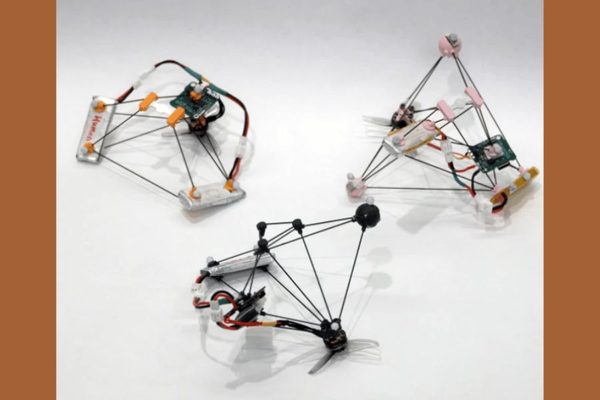
I wasn't excited when I first read this week's story about the Phantom Twist, a drone that rotates so fast that it's effectively invisible to the human eye. The aircraft was developed by a team in Australia and the quick science behind it is that it "rotates up to 25 times per second, a rate that outpaces how quickly our visual system can process sharp detail." So it's not exactly invisible, but rather it "dissolves into a faint, ghostly blur that blends into whatever is behind it." The idea is a departure from most earlier efforts to make drones invisible by trying to make them blend into whatever is behind them.
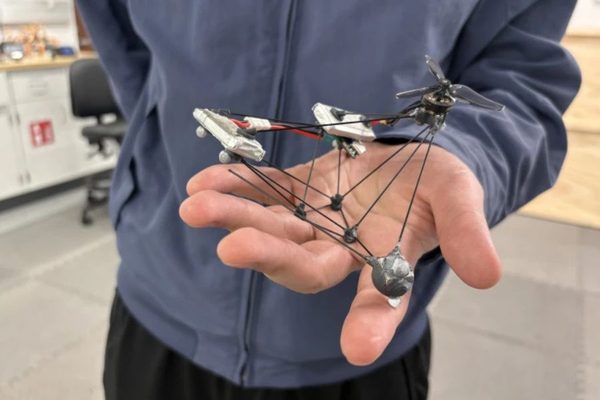
Still, my unease was from the assumption that the immediate use of these sorts of drones would be surveillance related. Or maybe by the paparazzi. It turns out, there's a much more optimistic use case here:
"Drones are increasingly used to watch wildlife, check aging infrastructure, or survey wetlands, but their mere presence changes the behavior of whatever they're observing. Birds scatter, animals flee, people act differently. A drone that's hard to spot could do the same job without that side effect."
The other interesting part of the story is that the final design was built after the team used an AI computer model to generate nearly 20,000 possible drone configurations. The whirring sound of the drone, of course, is the next challenge to solve before it's truly invisible. Then we might have a new batch of problems to deal with for how people start to use it for more than just watching wildlife.
Related Posts
Book Rohit To Speak
Want to bring these ideas to your next event?
Rohit turns the thinking behind posts like this one into keynotes for audiences around the world, from Fortune 500 leadership teams to global industry conferences.
Learn More About Speaking
How It All Started
A Short Backstory Of This Blog
This is a blog about non-obvious ideas. Originally launched on the Typepad platform in 2005 as the Influential Marketing blog, the stories at first focused mainly on digital marketing while Rohit worked at Ogilvy Advertising. In 2015 Rohit officially rebranded to the Non-Obvious Insights Blog and published his WSJ bestseller Non-Obvious. For the past twenty one years, this blog has coined new terms, introduced future marketing practices and inspired the next generation of non-obvious thinkers and marketers.

