History has recorded many bad Kings. Kings that have plunged countries into war, prioritized their own glory, unleashed colonialism into the world. In America, the No Kings movement has focused on linking President Trump to this legacy of destructive royalty.
This past weekend, I visited two dozen embassies here in DC as part of the Passport DC event. All opened their doors and illustrated the power of something that seems to otherwise be vanishing in our world (and particularly in DC): good diplomacy. A part of this is the modern role of royalty. In many countries, the current royals are not conquerors or self-promoters. Instead, they are cultural ambassadors and positive forces in the world.
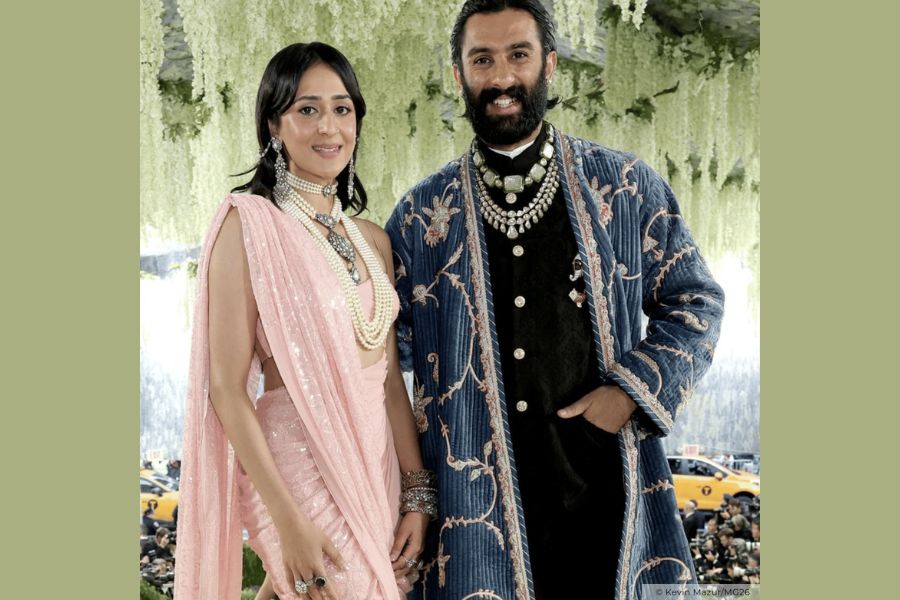
Royalty’s relevance today lies not in ceremony or indulgence but in impact. King Bhumibol of Thailand spent 70 years engineering over 4,000 developmental projects for his country’s poorest communities. King Abdullah II has kept Jordan stable and been a force for female empowerment alongside his wife Queen Rania. Queen Mary of Denmark went from an Australian commoner to a queen fighting loneliness, domestic violence, and maternal health inequality. India’s young Maharaja of Jaipur, Padmanabh Singh, uses his global visibility to champion Rajasthani artisans and was recently a viral hit at this past week’s Met Gala. Even the often criticized King Charles was credited by the British Tabloids for his “masterclass in diplomacy” on a recent visit to the US.
The world could use more royals doing work like this. The powerful lesson here may be that a title and tradition can serve as a force for good if it can be separated from the corrupting influence of political power. We definitely don’t need more Kings (or aspiring Kings) if they follow their worst impulses. But maybe not all modern royalty are bad.