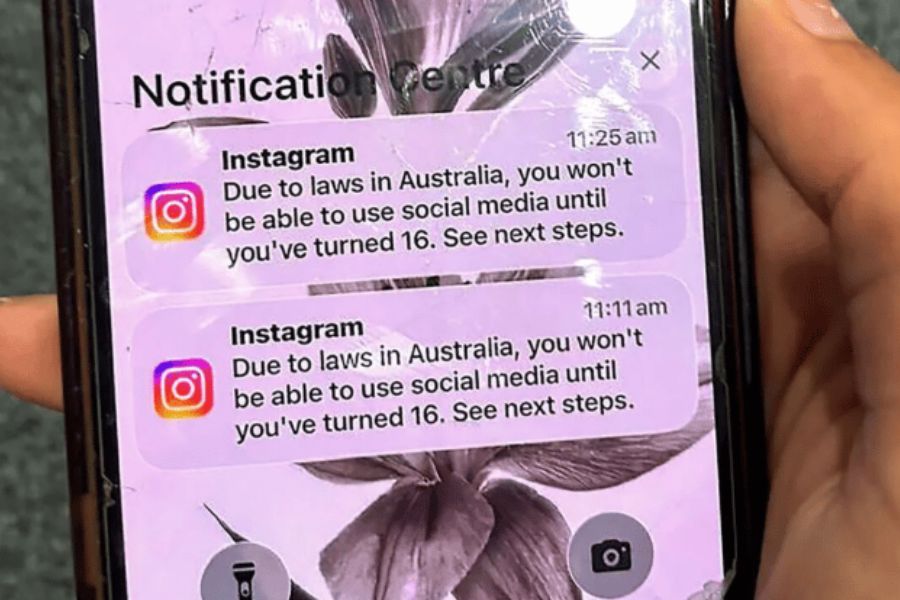
Tech-savvy kids born in the mobile generation have lots of ways of circumventing just about any rule you put in front of them. Last week, as Australia’s ground-breaking law banning the use of social media by kids under the age of 16 took effect, there were lots of reactions both within the country and around the world. One teen was quoted as saying, ““It’s kind of pointless, we’re just going to create new ways to get on these platforms.” That’s probably true – but I can think of three big reasons why this isn’t at all pointless and instead might just offer a much-needed salvation for people of all ages from the ills of social media addiction.
- Platforms need to rethink their approach. When social media is officially banned, it means that all platforms must stop ideating on how they can more effectively get kids addicted to their services and focus more on what sort of experience users actually want. This, in an ideal world, could make these platforms better and less toxic for everyone.
- Parents have support for keeping kids off social media. It can be hard to set boundaries for your kids, and that’s particularly true when you hear that common argument about how “everyone else has it.” By removing this option, Australia has essentially made it easier for parents (particularly less disciplined ones) to stick to their rules and maintain the ban.
- New habits can be formed by even younger kids. The toughest time will be the next 2-3 years when kids who used to have social media had it taken away from them. No one likes to lose something they previously had. But the upside is that kids who are 13 and younger will reach their teen years knowing that social media is banned and therefore not have the expectation to use it.
What do you think? Will Australia’s bold move lead to a more global adoption of this sort of legislation – or is that unlikely to happen?