


MAY 18, 2026|RETAIL & ECOMMERCE
The Future of Markups and Margins Will Be Harder to Justify
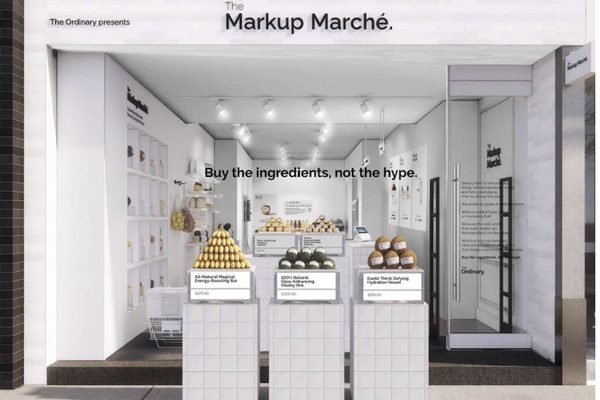
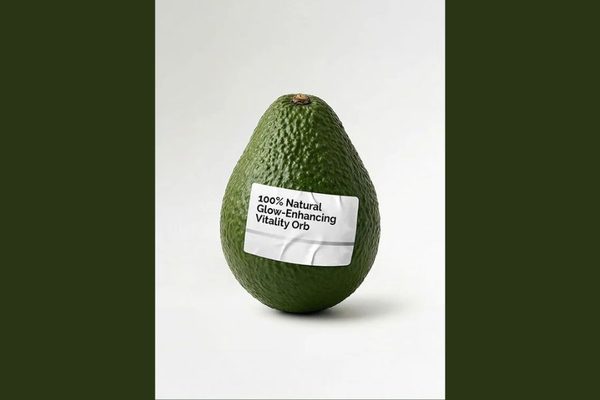
Inside a new retail concept store called The Markup Marche, the "exotic thirst-defying hydration vessel" is the flowery marketing language used to sell a humble coconut. The market is currently live in six cities around the world: Toronto, London, Paris, Sao Paolo, Mexico City and Melbourne. The point of the store is to expose the often ridiculous 700 percent (or higher) margins that fashion industry brands rely on. An "all-natural energy boosting bar" retails for just $98.50 ... and it's actually a banana.
This question of value and what sort of markup is reasonable when thinking about buying or selling anything was a big theme that came up this week. Also this week, big advertising holding company, WPP, reported not just a drop in revenue but also lower margins, sparking some major introspection from industry insiders:
"What drove the decline? Reduced scope of work, fee pressure, or outright budget cuts? The answer determines whether WPP has a cyclical problem or a structural one.
Scope reductions are cyclical: clients buying less of the same thing. Budget cuts are cyclical: economies contract, marketing contracts with them. Fee pressure is structural: clients paying less for the same thing. That is a different animal entirely. It doesn’t respond to patience or strategy decks. Winning accounts while revenue drops is the diagnostic signature of a business defending share by cutting price. Every account won on tighter terms resets the floor for the next pitch ... The harder task, the one WPP’s leadership avoided for a decade, is rebuilding a reason for clients to pay full price."
So in one story, a popup market illustrates a growing shift where "more consumers are separating what a product actually does from the story and packaging built around it." In another, service-based businesses like ad agencies where the days of clients blindly paying markups for questionable value added (such as entire field of media buying) are widely reported to be numbered.
The bottom line is, consumer mistrust will likely continue to squeeze margins as anyone aiming to sell anything at a premium will need to work harder to prove they are worth the price they hope to get.
Book Rohit To Speak
Want to bring these ideas to your next event?
Rohit turns the thinking behind posts like this one into keynotes for audiences around the world, from Fortune 500 leadership teams to global industry conferences.
Learn More About Speaking
How It All Started
A Short Backstory Of This Blog
This is a blog about non-obvious ideas. Originally launched on the Typepad platform in 2005 as the Influential Marketing blog, the stories at first focused mainly on digital marketing while Rohit worked at Ogilvy Advertising. In 2015 Rohit officially rebranded to the Non-Obvious Insights Blog and published his WSJ bestseller Non-Obvious. For the past twenty one years, this blog has coined new terms, introduced future marketing practices and inspired the next generation of non-obvious thinkers and marketers.

