


JULY 4, 2024|TECHNOLOGY & SOFTWARE
Neuralink May Create a Generation of Gamers with Superhuman Reflexes
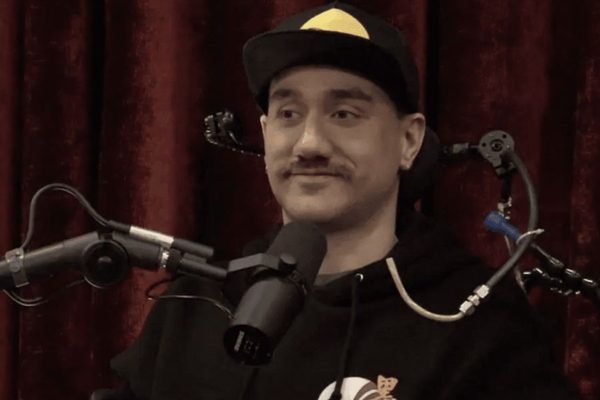
Earlier this year Noland Arbaugh became the first patient to receive a brain-computer chip implanted by Elon Musk's startup Neuralink after a diving accident left him paralyzed. Aside from being able to move a cursor with his mind now, he recently told podcaster Joe Rogan that the implant has also given him near superhuman reflexes in a handful of video games. The advantage is so extreme, that he suggested in the future "they’ll probably have different leagues for people like me because it’s just not fair."
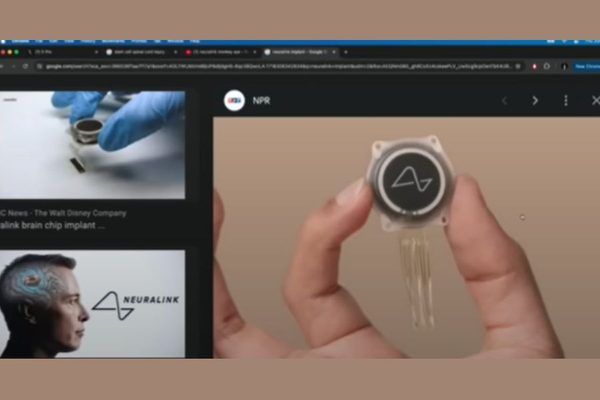
This is the sort of story we will see more of in the coming months because it perfectly brings together the intersection of many different stories about the future. A technology is developed to help someone with a disability. That technology shows promise to give them some sort of superhuman ability beyond what most of us are generally capable of. And the discussion starts about whether these "enhancements" should be allowed, and whether people without disabilities should be able to voluntarily request them
Related Posts
Book Rohit To Speak
Want to bring these ideas to your next event?
Rohit turns the thinking behind posts like this one into keynotes for audiences around the world, from Fortune 500 leadership teams to global industry conferences.
Learn More About Speaking
How It All Started
A Short Backstory Of This Blog
This is a blog about non-obvious ideas. Originally launched on the Typepad platform in 2005 as the Influential Marketing blog, the stories at first focused mainly on digital marketing while Rohit worked at Ogilvy Advertising. In 2015 Rohit officially rebranded to the Non-Obvious Insights Blog and published his WSJ bestseller Non-Obvious. For the past twenty one years, this blog has coined new terms, introduced future marketing practices and inspired the next generation of non-obvious thinkers and marketers.

