Pittsburgh was known for steel. Now the city has ambitions to become a hub for something else: AI and robotics. The pieces seem to be falling into place. From central robotics labs at the University of Pittsburgh and Carnegie Mellon to investment from the city, the ecosystem is being built right now as this feature article notes. The most interesting part of this evolution, though, is how the early evangelists for telling this story seem to be linking it back to the roots of Pittsburgh’s identity as a city too.
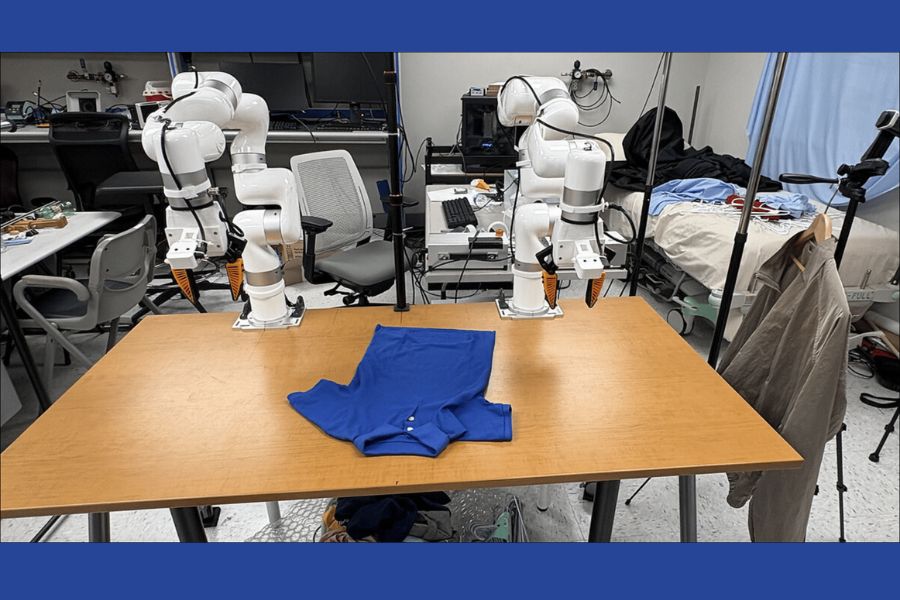
As managing director of Carnegie Mellon’s Swartz Center for Entrepreneurship Meredith Meyer Grelli says (while brilliantly throwing some shade in the direction of San Francisco), “we’re not a land of dating apps … we figure [stuff] out that makes the world a better place to be in.” The Robotics Institute at Carnegie Mellon, for example, is focused on building robots that are trained to use artificial intelligence to do everyday tasks like hanging clothes or doing dishes.
The robots are examples of something called physical AI: essentially, robots that use artificial intelligence to perceive their environment and make decisions with some degree of autonomy. The university sees physical AI as a technological frontier where it can plant a flag – and it’s doing this work in a building that carries echoes of Pittsburgh’s industrial past.
In 2024 the region saw $999 million in VC investment (I guess no one could find someone to throw in the last million to hit that $1B mark). This year, the investment is set to grow and the mindset of those building these new technologies is focused on this frontier of physical AI. It’s a lesser told story amongst all the things we generally read about the explosive growth of generative AI tools, but it can arguably be significantly more impactful for most people’s daily lives. And if someone is going to emerge as the leader, why not Pittsburgh?