


JANUARY 15, 2026|EVENTS & EXPERIENCES
5 Non-Obvious Takeaways from the World's Largest Tech Show
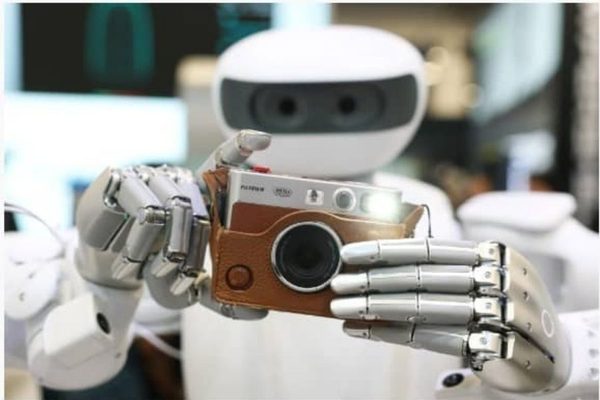
I spent several days touring the trade show floor talking with tech experts, trying out demos, encountering lots of weird robots and interviewing people about their visions for the future. Of course, AI was everywhere and in everything, whether necessary or not. After a few days of reflection, I had some time to compile some of my biggest takeaways from the show this year:
1. Tech for augmentation rather than replacement will continue to gain faster and more widespread acceptance.
Augmentation tech, like smarter AI-enabled hearing aids or anti-tripping shoes, seem like great innovations. On the flip side, AI holographic companions or robots that read bedtime stories to your kids were widely criticized as a vision of the future one analyst described as "equal parts solitary and infantilized."
2. The line between solving actual problems and just enabling privileged laziness is blurry.
An AI oven that can cook for you, an automated lawn mower, a five-minute ice maker or an ultrasonic kitchen knife are conveniences of the future ... but they are also a recipe for a future where we don't need to know how to do anything for ourselves. Based on this tech, humans of the future may end up being pretty helpless, not to mention the potential luxury divide that may arise between those who can afford this tech and those who cannot.
3. The future is exciting for creators and the content we all will consume ... if they embrace AI.
From automated drone videos to higher resolution, smarter cameras to more predictive software tools, the future on display for anyone who makes content was more automated, faster and more democratized. When the cost of gear and software continues to plummet, the only thing that will separate the best creators from selfie-taking amateurs is breakthrough creativity, which paradoxically will increase the value of great content and entertainment rather than killing it.
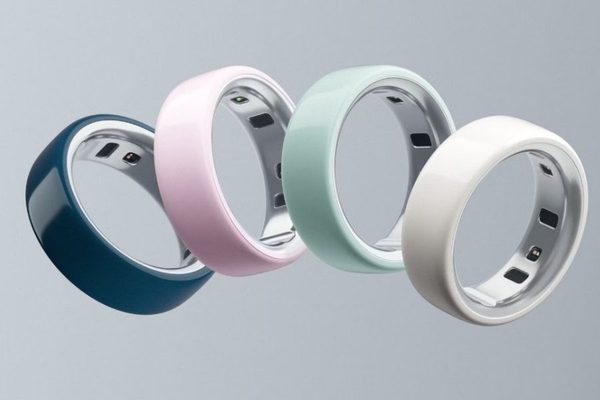
4. Health tech is going beyond wearables and now integrating full ecosystems and more holistic wellness.
Walking through the latest offerings from brands like Withings, Superhuman, Oura, Whoop, Amazfit and several others - it was clear that they are all trying to evolve beyond being companies known only for their signature wearable devices. Many are partnering with blood testing labs, integrating with other health services and generally going further than the usual sleep and workout tracking to offer everything from mental health management tools to extremely accurate tracking for ovulation cycles.
5. The biggest macro trend in tech is incremental updates with falling prices.
The AI bird-tracking feeders were slightly better than last year, selling at a lower price point. Same story with drones, AI smart glasses, large screen flat televisions and pretty much every category of tech. It's now become an annual tradition of sorts to see products that were at a higher price last year come down dramatically in a bid to popularize the categories they come from. This trend downward is good news for consumers.
Book Rohit To Speak
Want to bring these ideas to your next event?
Rohit turns the thinking behind posts like this one into keynotes for audiences around the world, from Fortune 500 leadership teams to global industry conferences.
Learn More About Speaking
How It All Started
A Short Backstory Of This Blog
This is a blog about non-obvious ideas. Originally launched on the Typepad platform in 2005 as the Influential Marketing blog, the stories at first focused mainly on digital marketing while Rohit worked at Ogilvy Advertising. In 2015 Rohit officially rebranded to the Non-Obvious Insights Blog and published his WSJ bestseller Non-Obvious. For the past twenty one years, this blog has coined new terms, introduced future marketing practices and inspired the next generation of non-obvious thinkers and marketers.

