


FEBRUARY 9, 2024|TECHNOLOGY & SOFTWARE
The Dreaded 404 Page and Its Little Understood Cousin: The 402 Error
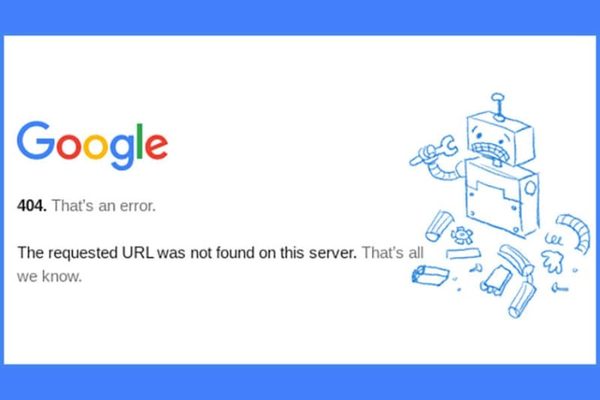
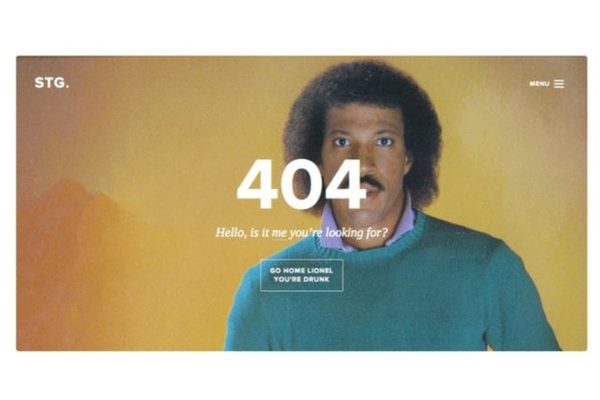
Did you know that back in the earliest days of the Internet, there were a list of error codes created for situations that the web's first designers thought would be highly possible in the future? Of course, the dreaded 404-error is the one that most of us know well: page not found. It was ubiquitous among websites of the 90s and continues to be part of our online lives. For some, it has even offered a canvas for creativity as web designers have fun with it.
Far less known is the 402-error code, which was originally created for a potential web that never actually happened. This was the code meant to be returned if you visited a page that required a micropayment to access the content. Sadly, a dominant micro currency never really emerged, which made the idea that anyone might pay a fraction of a cent to read an article impossible. So, the 404-error become a pop icon and the 402 was forgotten. Not enough geeking out on internet protocols for you? Here's the full list of all the http codes for your reading pleasure. And before you ask me if I included this story simply because this happens to be edition #404 of this newsletter, I'll just say 444.
Book Rohit To Speak
Want to bring these ideas to your next event?
Rohit turns the thinking behind posts like this one into keynotes for audiences around the world, from Fortune 500 leadership teams to global industry conferences.
Learn More About Speaking
How It All Started
A Short Backstory Of This Blog
This is a blog about non-obvious ideas. Originally launched on the Typepad platform in 2005 as the Influential Marketing blog, the stories at first focused mainly on digital marketing while Rohit worked at Ogilvy Advertising. In 2015 Rohit officially rebranded to the Non-Obvious Insights Blog and published his WSJ bestseller Non-Obvious. For the past twenty one years, this blog has coined new terms, introduced future marketing practices and inspired the next generation of non-obvious thinkers and marketers.

