


JULY 24, 2025|RETAIL & ECOMMERCE
The Coming GLP-1 Buying Shift That's Causing Brands to Panic

The big story of GLP-1 medications has routinely been about weight loss, obesity and expanded usages beyond its original classification as a way to manage diabetes. A key element of how they work is to reduce cravings and impulsive choices when it comes to food. More recent data is starting to emerge that these effects may not only affect the way people buy and consume food. As Retail Prophet founder Doug Stephens puts it:
“You could almost look at the entire consumer market and say that anything that requires restraint, discipline, or willpower is in danger,” Stephens said. As more Americans go on the drug, the result “could be nothing short of a tectonic shift in consumer behavior across huge segments of the economy.”
If the effect of growing usages of these drugs does start to impact product categories that rely in impulsive behavior, such as in-app purchases or online gambling, those categories may all see downward trends in their revenues. It's a potential future that is already starting to affect some sectors. Consider these bullet points:
- GLP-1s have eroded $6.5 billion in grocery sales to date, according to a new report from Big Chalk Analytics.
- A Cornell University study found GLP-1 patients cut spending by 6% on groceries, 9% on fast food, and 11% on snacks.
- A recent report calculated that if GLP-1-taking passengers lost just 10 pounds each, the average United Airlines flight would be 1,790 pounds lighter and save the carrier $80 million a year.
- Terry Smith—often called “the British Warren Buffett”—is dumping all its stock in Diageo because they believe people will be buying less alcohol due to taking GLP-1s.
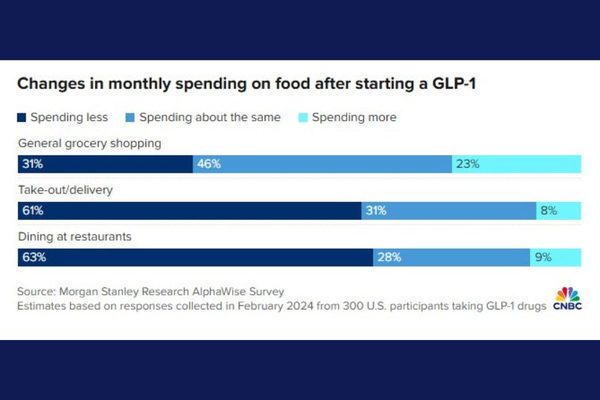
All these points raise an important question that all of us may soon need to be asking: how will we promote and market the things we sell in a world where impulsive decision making is far less common?
Related Posts
Book Rohit To Speak
Want to bring these ideas to your next event?
Rohit turns the thinking behind posts like this one into keynotes for audiences around the world, from Fortune 500 leadership teams to global industry conferences.
Learn More About Speaking
How It All Started
A Short Backstory Of This Blog
This is a blog about non-obvious ideas. Originally launched on the Typepad platform in 2005 as the Influential Marketing blog, the stories at first focused mainly on digital marketing while Rohit worked at Ogilvy Advertising. In 2015 Rohit officially rebranded to the Non-Obvious Insights Blog and published his WSJ bestseller Non-Obvious. For the past twenty one years, this blog has coined new terms, introduced future marketing practices and inspired the next generation of non-obvious thinkers and marketers.

